Thinking about upgrading your older home's insulation? You're not alone! Many homeowners discover that improving insulation is one of the most impactful and cost-effective ways to boost energy efficiency, enhance comfort, and increase the value of their property. This guide will help you navigate the options and find the perfect solution for your historic home.
Why is Insulation Crucial for Older Homes?
Older homes often suffer from significant heat loss and cold air infiltration due to outdated construction techniques and materials. Drafty windows, poorly sealed walls, and inadequate attic insulation contribute to discomfort and high energy bills. Proper insulation creates a more comfortable living environment by regulating indoor temperatures, reducing drafts, and minimizing temperature fluctuations. This translates to significant energy savings year-round, protecting you from the extremes of both summer heat and winter cold. Improved insulation also helps to improve your home's overall energy efficiency, leading to lower utility costs and a smaller carbon footprint. Addressing these issues through proper insulation is a key step in increasing comfort and efficiency in older houses.
What Types of Insulation Work Best in Older Homes?
Several insulation types can effectively upgrade your older home's thermal performance. Each material presents unique characteristics regarding installation, thermal performance (R-value), cost, and maintenance. The https://privatebin.net/?de7c4723b4d75bcd#GaAtJoAzjNyRY5nJixyPT45zGfx62W2rLRZwcG2JZf2Z choice depends on your specific needs, budget, and home's construction. Let's explore some popular options:
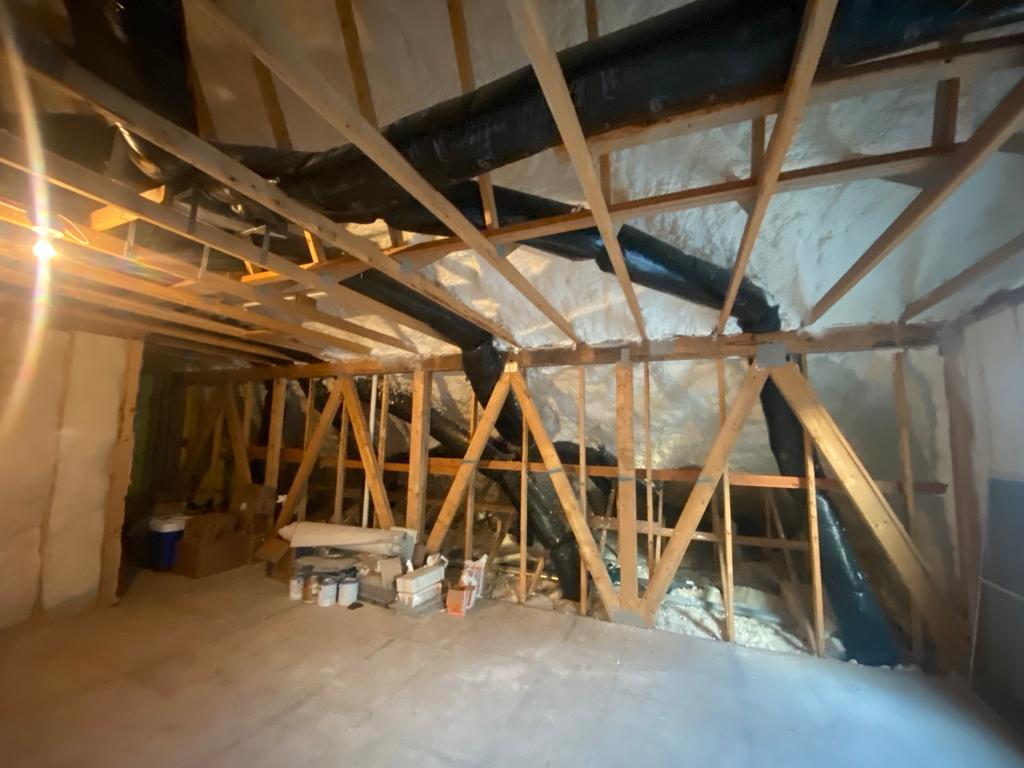
- Fiberglass: A common and relatively inexpensive choice, fiberglass insulation comes in batts and rolls, suitable for attics and wall cavities. Cellulose: Made from recycled paper, cellulose insulation is blown into place, making it ideal for filling irregular spaces and hard-to-reach areas. Spray Foam Insulation: This versatile material seals air gaps effectively, providing excellent insulation and air sealing, thus reducing air infiltration significantly. It's a popular choice for attics, walls, and crawl spaces. Mineral Wool: An eco-friendly option with good thermal and acoustic properties, mineral wool is available in batts and rolls. Rigid Foam Insulation: Used for exterior wall systems or as sheathing under siding, rigid foam boards offer high R-values, effectively improving energy efficiency.
Pros and Cons of Each Insulation Type
Insulation Type Pros Cons R-Value (per inch) Cost (Relative) Fiberglass Affordable, readily available, easy to install (batts/rolls) Can settle over time, may irritate skin during installation R-3 to R-4 Low Cellulose Excellent air sealing, good thermal performance, eco-friendly Can be messy to install, may settle slightly over time R-3.7 to R-4 Moderate Spray Foam Insulation Superior air sealing, high R-value, versatile, reduces noise More expensive, requires professional installation, potential for damage if not properly installed R-6 to R-7 High Mineral Wool Eco-friendly, good thermal and acoustic properties, fire-resistant More expensive than fiberglass, can be itchy to handle R-3 to R-4 Moderate Rigid Foam Insulation High R-value, excellent for exterior walls, durable More expensive, requires specialized tools for installation R-5 to R-8 High
Determining the Right R-Value for Your Home
The R-value represents a material's resistance to heat flow. Higher R-values indicate better insulation. Your home's location and climate zone significantly influence the required R-value. Colder climates need higher R-values to maintain indoor temperatures effectively. Consult local building codes and energy efficiency guidelines to determine the recommended R-values for your area. A home energy assessment can help identify areas needing the most attention and recommend optimal R-values for your home's specific needs.
Best Insulation Installation Methods for Older Homes
Professional installation is often the best approach for older homes due to potential complexities. Professionals possess the expertise to handle existing structures, navigate challenges like uneven surfaces, and address issues like air sealing and moisture control. However, DIY installation is feasible for some projects, particularly attic insulation using batts or rolls. Remember that retrofitting insulation into existing walls can be complex and should generally be left to professionals.
Common Challenges in Retrofitting Insulation
Retrofitting insulation in older homes presents unique challenges. Air sealing is crucial to prevent drafts, and proper vapor barriers are needed to prevent moisture buildup within wall cavities, preventing mold and rot. Addressing these issues proactively during installation is crucial to prevent future problems. Understanding potential issues like existing wiring or plumbing that may need to be adjusted is critical.
Insulation Costs for Older Homes
Insulation costs vary based on the type of material chosen, the amount needed, and the complexity of the installation. Spray foam insulation tends to be more expensive than fiberglass or cellulose, but often provides a better long-term return on investment (ROI) due to its superior energy-saving properties. The labor cost can also significantly increase the overall expense. Obtaining multiple quotes from different contractors allows for comparison and better price negotiation.
Energy Savings with Insulation Upgrades
Proper insulation dramatically reduces energy consumption. Studies have shown significant energy savings resulting from comprehensive insulation upgrades, leading to lower heating and cooling bills. An energy audit can precisely pinpoint energy loss areas in your home, helping you prioritize insulation improvements where they'll have the greatest impact. Investing in high-performance insulation not only delivers immediate savings but contributes to long-term value and comfort.
FAQ
1. What is the most energy-efficient insulation material? Spray foam insulation generally offers the highest energy efficiency due to its superior air-sealing capabilities and high R-value.

2. Can I install insulation myself? DIY installation is possible for some types of insulation, but professional installation is usually recommended for older homes due to potential complexities.
3. How does my home's age affect insulation choice? Older homes may require more attention to air sealing and moisture control, influencing the choice of insulation material and installation methods.
4. What maintenance does insulation require? Regular inspections can help detect any settling or damage to the insulation.
5. Are there government incentives? Many local and federal programs offer incentives for energy-efficient home improvements, including insulation upgrades. Check with your local utility company and government agencies.
In conclusion, choosing the right insulation for your older home is a critical decision impacting comfort, energy efficiency, and long-term value. By considering the different types of insulation, R-values, installation methods, and costs, you can make an informed choice that best suits your needs and budget. Remember to consult with qualified professionals to ensure the optimal installation and maximum energy savings. Start enjoying a warmer winter and cooler summer in your energy-efficient home!